A Complete Guide for Condo Associations and Commercial Building Owners in South Florida
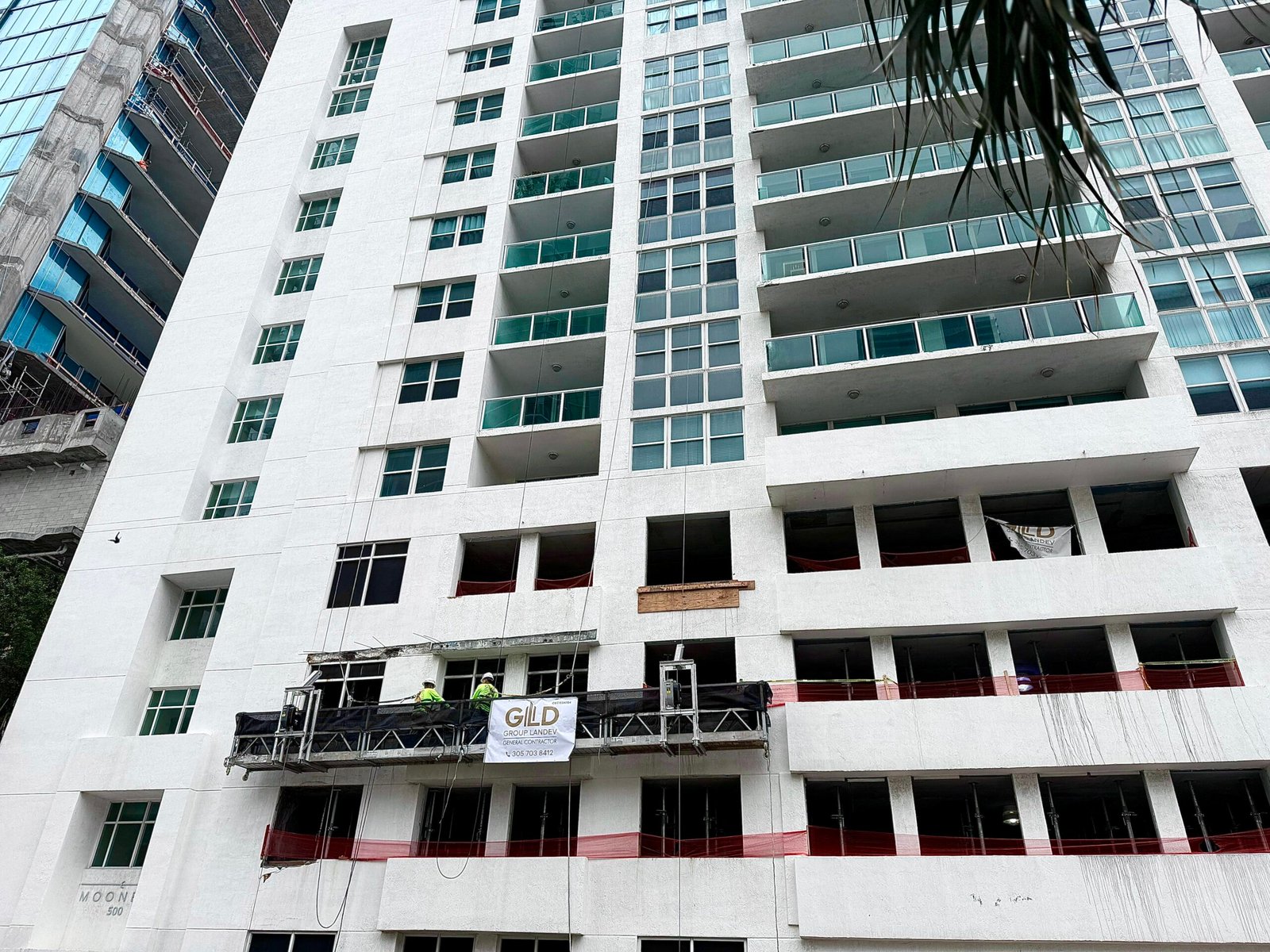
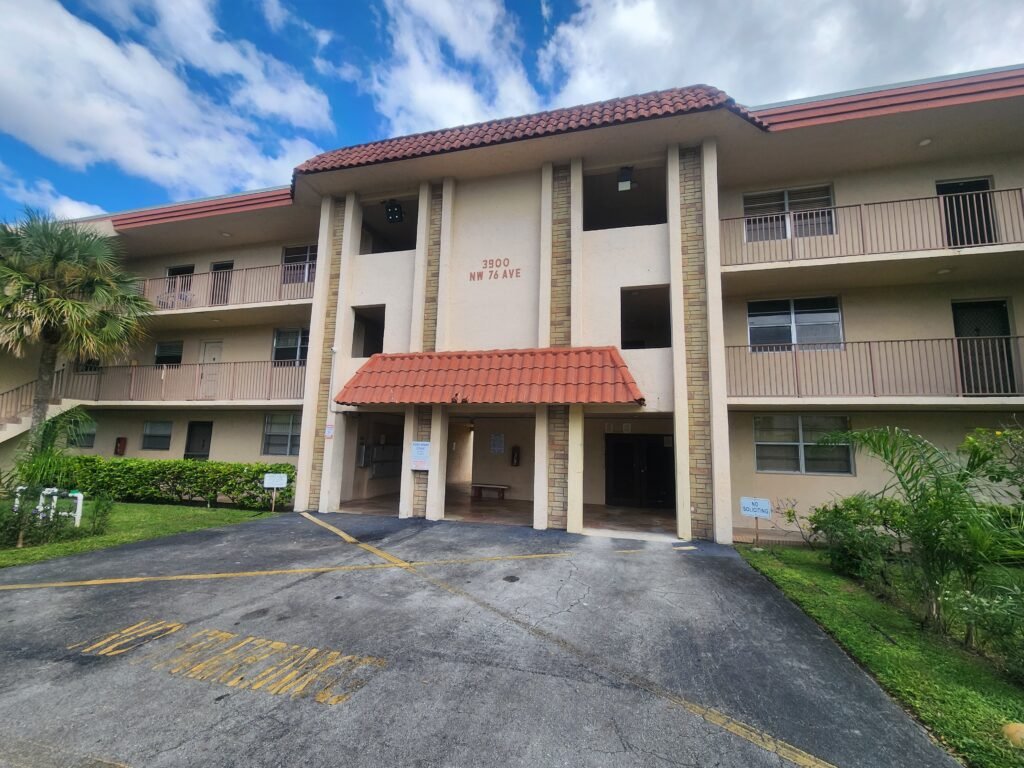
South Florida’s coastal environment, aging infrastructure, and exposure to humidity and salt air create unique challenges for condominium and commercial buildings. Regular inspections and proactive maintenance are essential to protect residents, maintain property value, and comply with local building safety requirements.
For many South Florida properties, building recertification and milestone inspections are important steps in identifying structural and electrical concerns before they become major issues.
Group Landev (GLD) helps condominium associations, HOAs, and commercial property owners navigate the recertification process with inspection support, repair planning, and complete construction solutions.
When Is Building Recertification Required in South Florida?
Recertification requirements depend on the building’s location, age, and local jurisdiction.
Coastal Buildings (Within Approximately 3 Miles of the Coastline)
Due to increased exposure to salt air, moisture, and corrosion, many coastal buildings may require earlier inspections.
Typical requirements include:
- First inspection around 25 years after completion
- Follow-up inspections every 10 years afterward
Example:
- Building completed in 2000
- First inspection around 2025
- Next inspection around 2035
Other Qualifying Buildings
For many non-coastal buildings, requirements typically include:
- First inspection around 30 years after completion
- Recurring inspections every 10 years afterward
Example:
- Building completed in 1995
- First inspection around 2025
- Next inspection around 2035
Requirements may vary by municipality, including Miami-Dade County, Broward County, and individual cities.
What Is a Building Recertification Inspection?
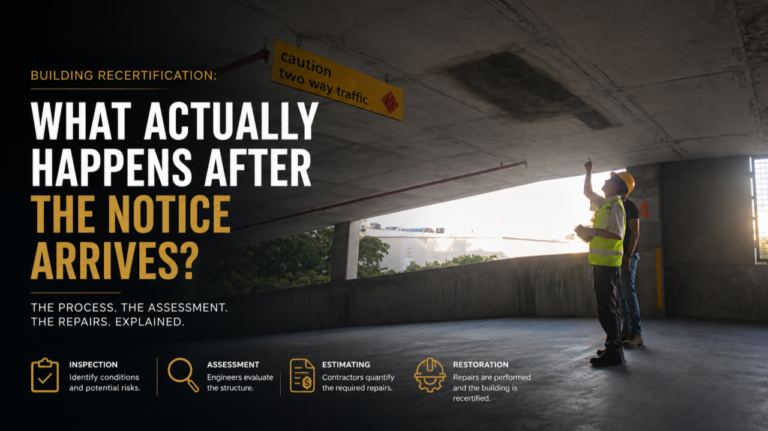
Building recertification is a professional evaluation process designed to determine whether a property remains safe and structurally sound.
The inspection generally focuses on two key areas:
1. Structural Safety Evaluation
Engineers evaluate:
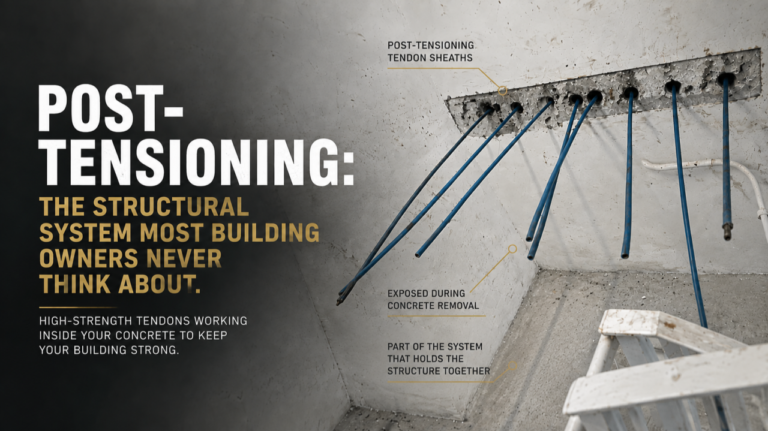
- Concrete structures
- Columns and beams
- Load-bearing components
- Balconies and exterior elements
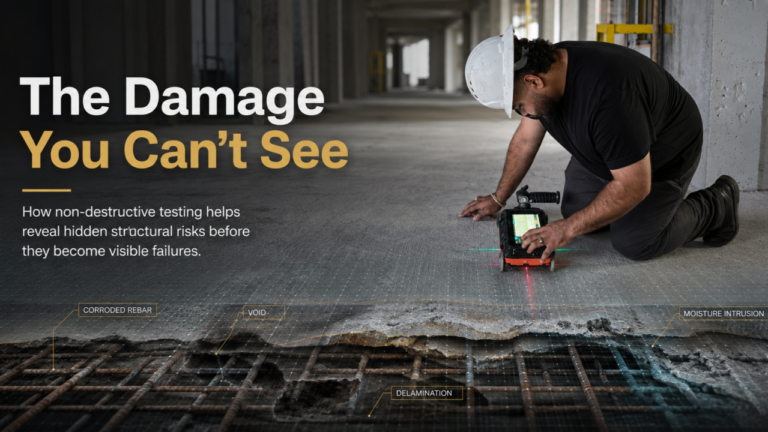
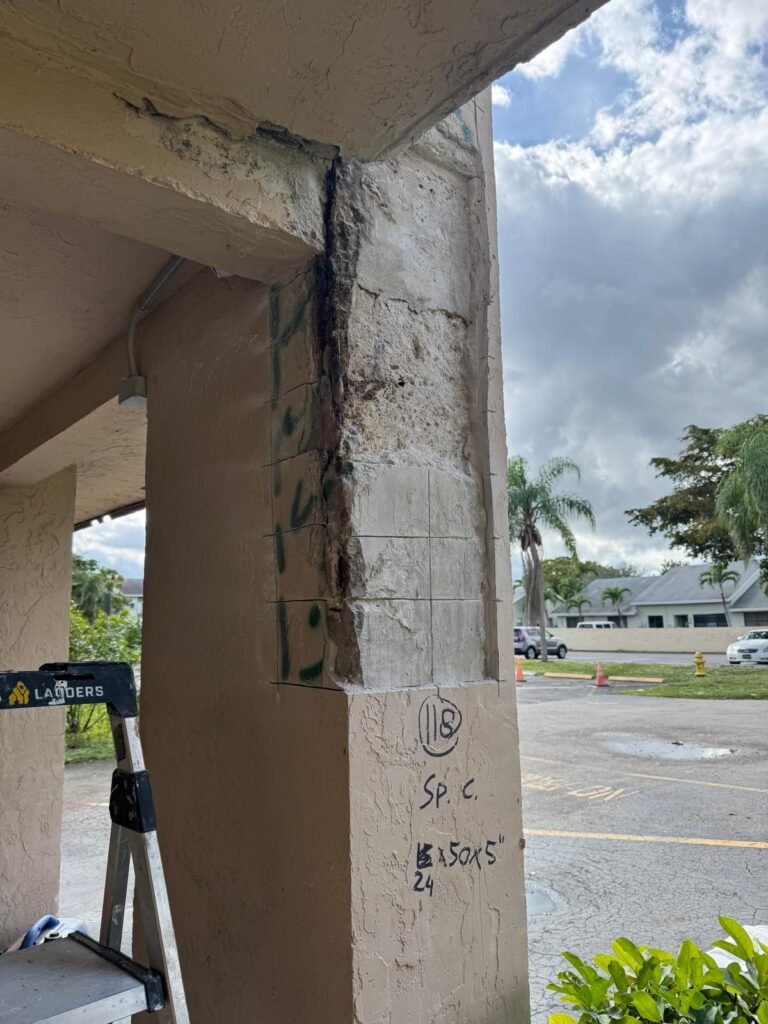
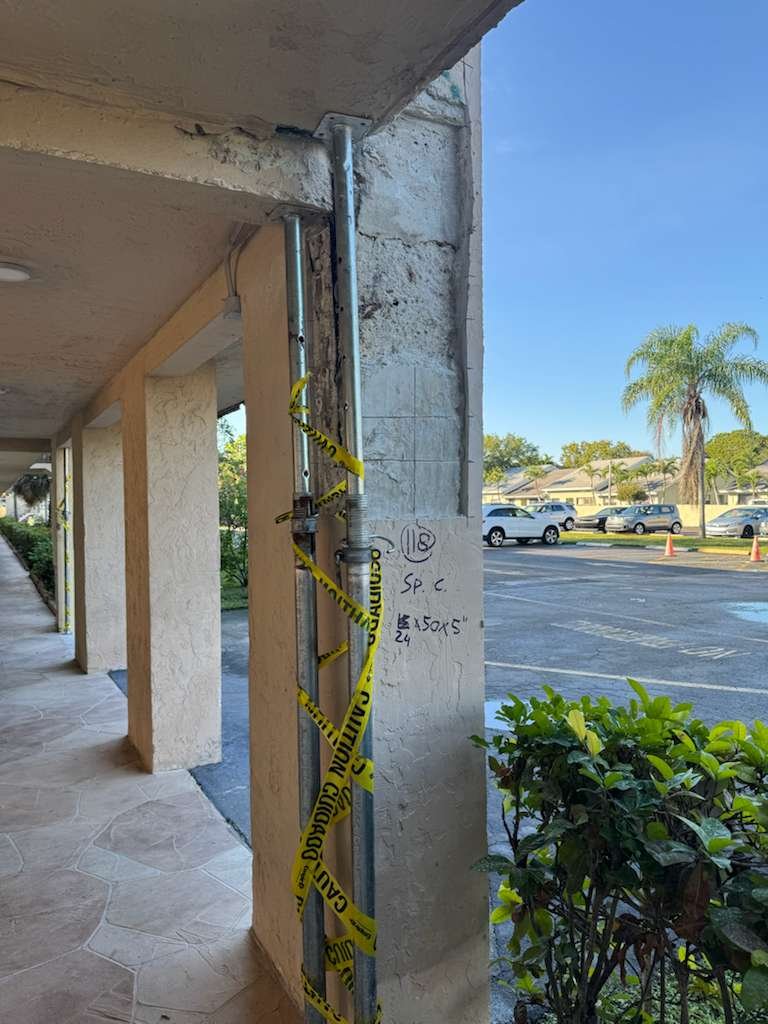
- Signs of cracking, deterioration, or corrosion
- Water intrusion and structural damage
2. Electrical Safety Evaluation
The electrical inspection reviews:
- Electrical panels
- Wiring systems
- Safety concerns
- Electrical deficiencies
- Compliance issues
South Florida Building Recertification Process: Step-by-Step
Step 1: Determine Inspection Requirements
The first step is understanding when your property’s inspection is due based on:
- Building completion year
- Location (coastal or non-coastal)
- Local municipality requirements
- Property type
Early preparation helps avoid delays and unexpected repair costs.
Step 2: Complete Professional Building Inspection
A qualified engineer or licensed professional performs a detailed assessment of the building’s structural and electrical systems.
The inspection identifies:
- Existing deficiencies
- Safety concerns
- Maintenance needs
- Required corrective actions
Step 3: Review Inspection Report
After the inspection, the building receives a detailed report outlining:
- Current building condition
- Recommended repairs
- Priority issues
- Required timelines
This report helps associations and owners make informed decisions about repairs and budgeting.
Step 4: Develop a Repair & Construction Plan
If issues are identified, a proper repair strategy is developed.
Common repairs include:
✓ Concrete restoration
✓ Balcony repairs
✓ Waterproofing systems
✓ Structural repairs
✓ Exterior painting and protection
✓ Roof and building envelope improvements
✓ General construction repairs
A well-planned construction approach helps minimize disruption while improving safety and extending the life of the property.
Step 5: Complete Repairs and Maintain Compliance
Once repairs are completed, required documentation is prepared and submitted according to local requirements.
Proper completion helps:
- Maintain building safety
- Protect property value
- Support insurance requirements
- Prevent future costly repairs
Common Challenges Condo Associations Face During Recertification
Many property owners experience challenges such as:
Unexpected Structural Issues
Hidden concrete deterioration and corrosion can increase repair requirements.
Budget Planning
Associations need accurate repair estimates to plan reserves and funding.
Managing Multiple Contractors
Coordinating engineers, inspectors, and construction teams can become complex.
Resident Communication
Large repair projects require careful planning to reduce inconvenience.
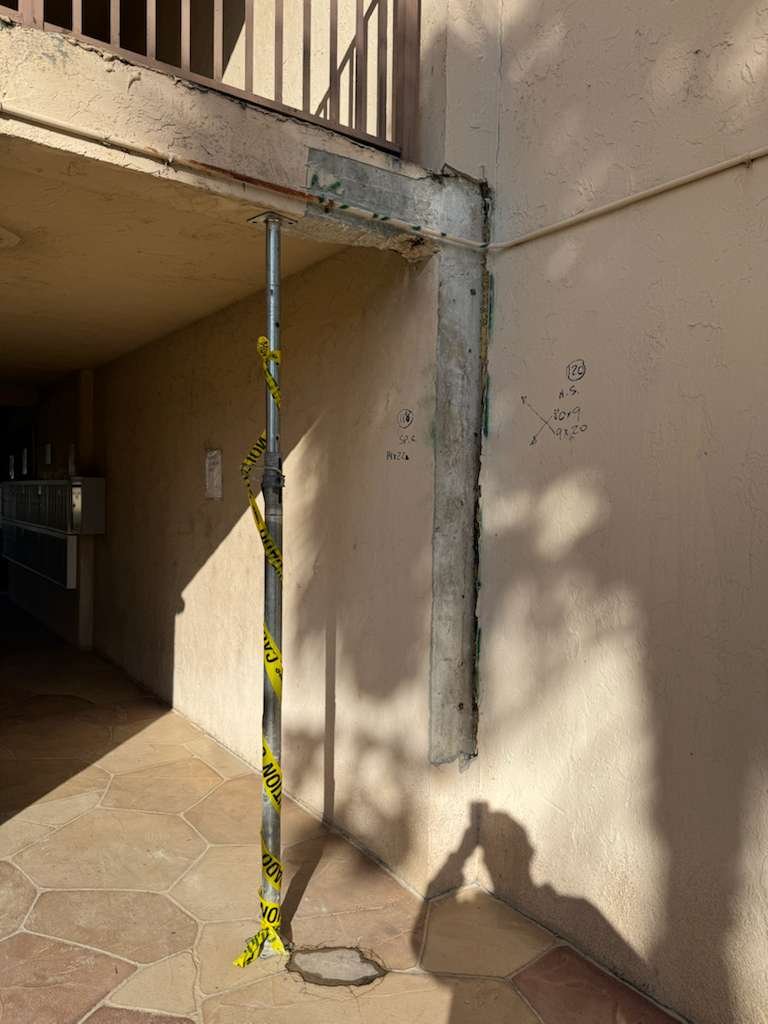
How Group Landev Supports South Florida Building Recertification
At Group Landev (GLD), we provide construction support services designed for condominium associations, HOAs, and commercial properties.
Our services include:
✓ Building condition assessment support
✓ Recertification preparation assistance
✓ Repair recommendations and planning
✓ Concrete restoration
✓ Waterproofing solutions
✓ Exterior building improvements
✓ Construction management
✓ Complete renovation and maintenance services
From identifying potential issues to completing repairs, GLD helps property owners move through the recertification process with confidence.
Prepare Your Building Before Problems Become Expensive
Building recertification is not only a compliance requirement it is an opportunity to protect your investment and improve the long-term safety of your property.
Group Landev offers a free building inspection consultation to help condo associations and commercial property owners identify potential concerns and understand the next steps.
Contact GLD today to prepare your South Florida property for its upcoming recertification requirements.